Best 10 Things to See in Rome
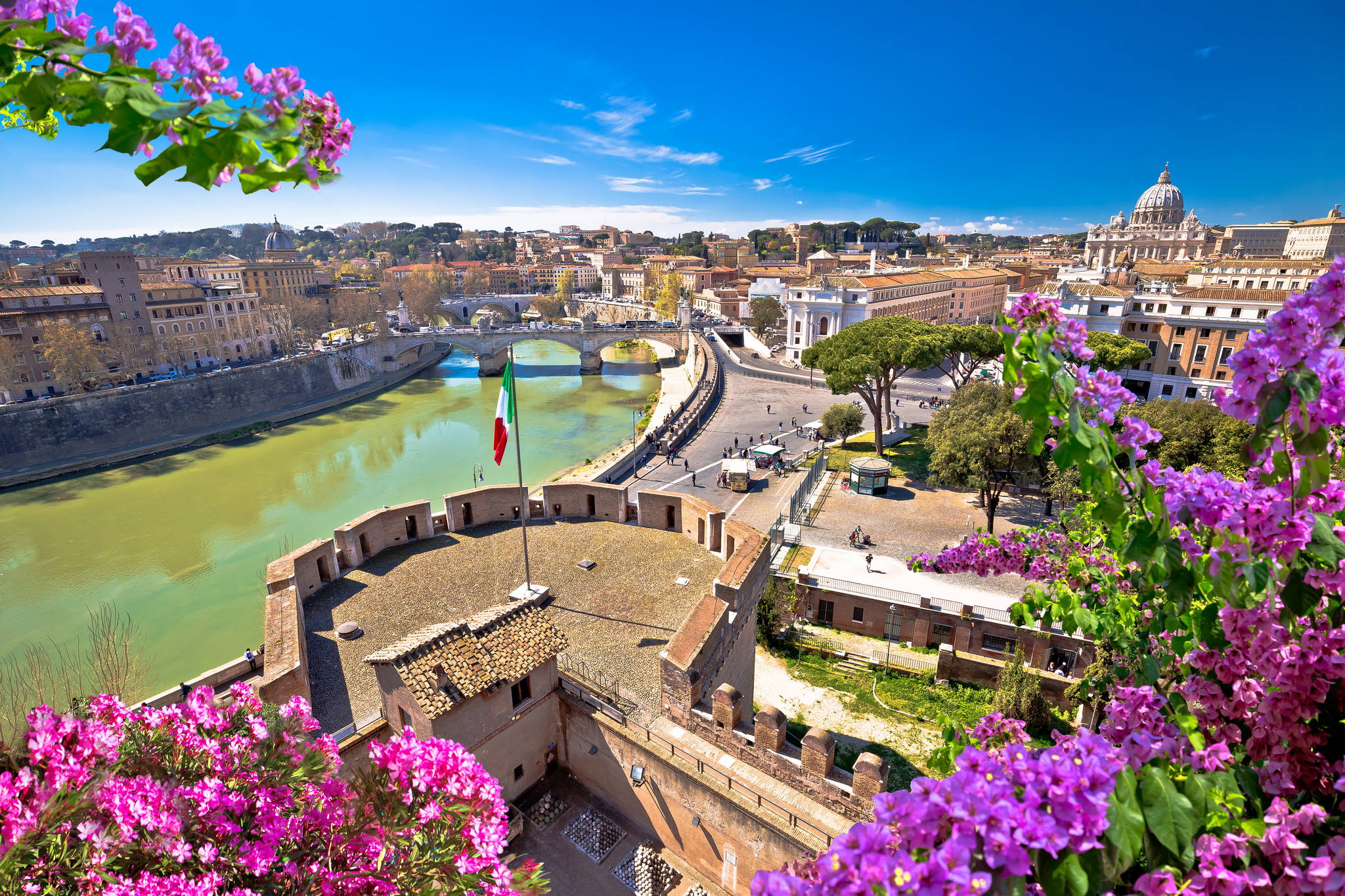
Exploring Rome for the first time is a breathtaking journey through nearly three millennia of living history. Known as the Eternal City, Rome seamlessly weaves grand ancient ruins, towering Renaissance basilicas, and lively baroque piazzas into a vibrant modern capital. Whether you are gazing up at the cavernous dome of the Pantheon, tossing a coin into the sparkling Trevi Fountain, or enjoying authentic Roman pasta in a picturesque cobblestone alley, every corner reveals an unforgettable story. This curated top 10 guide highlights the absolute must-see landmarks, essential cultural spots, and practical insider recommendations designed to help first-time visitors experience the very best of Rome efficiently and memorably.
BEST TIME TO VISIT
April to May, or September to October
Currency
Euro (EUR)
Language
Italian
Time Zone
CET / CEST (UTC+1 / UTC+2)
Why Visit Rome for Its Eternal Heritage?
The Eternal City
Immerse yourself in nearly three millennia of continuous living history, art, and imperial grandeur.
Iconic Colosseum
Stand inside the world’s largest ancient amphitheater where gladiators once fought.
Vatican & Sistine Chapel
Explore priceless spiritual treasures and Michelangelo’s legendary ceiling frescoes.
Baroque Fountains & Piazzas
Toss a coin into the Trevi Fountain and experience vibrant social life at Piazza Navona.
OMNIA Vatican & Rome Pass
Save time and money with a 2-in-1 city card. Enjoy hassle-free entry to Rome’s top historic sites, including the Vatican Museums, Sistine Chapel, and Colosseum. Free public transport card included. Book Omnia Pass ↗
Walkable Historic Center
Stroll through picturesque cobblestone alleys connecting major world wonders. Book a Walking Tour ↗
How to Get to Rome
Rome serves as Italy’s primary transportation hub, offering excellent global flight connections and high-speed rail links.
By Plane (Airports)
Fiumicino Leonardo da Vinci Airport (FCO): Rome’s main international hub. Connected directly to Roma Termini via the non-stop Leonardo Express train (approx. 32 minutes) or budget shuttle buses.
Ciampino Airport (CIA): Primarily used by low-cost carriers. Linked to the city center via frequent regional coach transfers (approx. 40–50 minutes).
Compare flight routes and prices using our Flight Search Widget ↓ below.
By Train (High-Speed Rail)
The main railway station is Roma Termini, located right in the heart of the city with seamless metro connections.
High-speed trains operated by Trenitalia (Frecciarossa) and Italo connect Rome to Florence in 1h30, Naples in 1h10, and Milan in under 3 hours.
How to Get Around Rome
Rome is best explored on foot for short distances, complemented by an efficient underground metro and extensive tram and bus networks.
| Transport Type | Best For | Useful Details & Tickets |
|---|---|---|
| Walking | Exploring the historic center, piazzas & fountains | Free. Most central landmarks (Pantheon, Trevi, Spanish Steps) are within a 10–15 minute walk of each other. |
| Metro (Lines A & B) | Fast cross-city transit & reaching the Colosseum or Vatican | Line A connects Vatican museums (Ottaviano) to Spanish Steps and Termini. Single tickets cost €1.50 (BIT ticket, valid 100 mins) via ATAC. |
| Hop-on Hop-off Bus | Relaxed sightseeing & panoramic views between major sights | Enjoy flexible travel with the Big Bus Hop-on, Hop-off Open-Top Sightseeing Tour. |
| Taxi | Late night returns or direct hotel transfers with luggage | Official white taxis are metered. Do not hail from the street; use designated taxi ranks at Termini or major squares, or book via app (IT_Taxi / FreeNow). |
Where to stay in Rome, Italy
Not sure where to book? We’ve rounded up the best hotels in Rome for every budget, with live prices and availability.
Colosseum & Arch of Constantine
The Experience
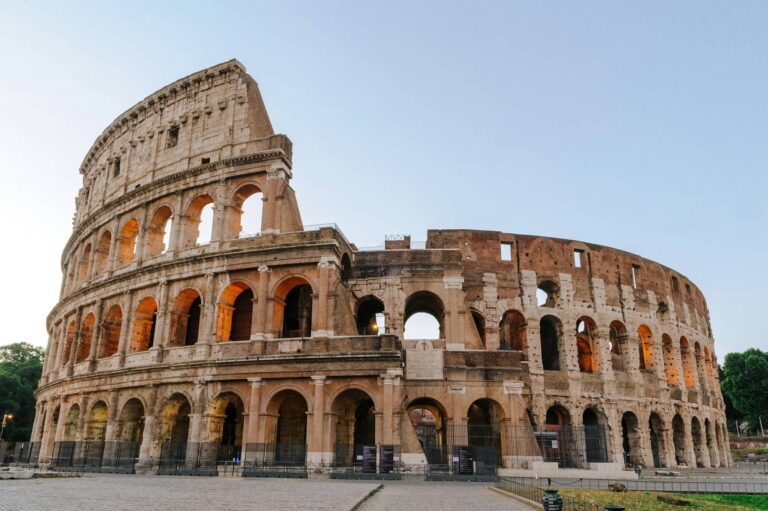
Stepping out of the Colosseo metro station and seeing the towering stone arches of the world's largest ancient amphitheater standing right before you is an unmatched moment. Walking through its ancient vomitoria and looking down onto the exposed hypogeum network gives you an eerie, powerful glimpse into the grand scale of Roman entertainment. Right next to the arena, the majestic Arch of Constantine stands intact, celebrating Emperor Constantine’s victory in 312 AD. What I love most is watching the travertine stone glow in warm golden hues as the late afternoon sun sets over the ancient structure.
Why it’s worth your time
As an iconic UNESCO World Heritage site and one of the New Seven Wonders of the World, I consider the Colosseum an absolute non-negotiable stop for anyone visiting Rome.
Make the most of it
I strongly advise booking an arena-floor or underground access ticket well in advance. Standing where gladiators once waited offers a vastly superior perspective compared to standard upper-ring access.
When to go
First entry in the early morning at 8:30 AM to beat the heavy mid-day crowds and intense heat.
Before you visit
Strict security screening is in place; large backpacks, suitcases, and glass bottles are strictly prohibited, and there is no luggage storage facility on site.
Plan your visit
Located at Piazza del Colosseo. Take Metro Line B directly to the Colosseo station. Plan for a 1.5 to 2-hour visit. Mandatory timed entry ticket required online prior to arrival.
Book your visit:
Roman Forum & Palatine Hill
The Experience
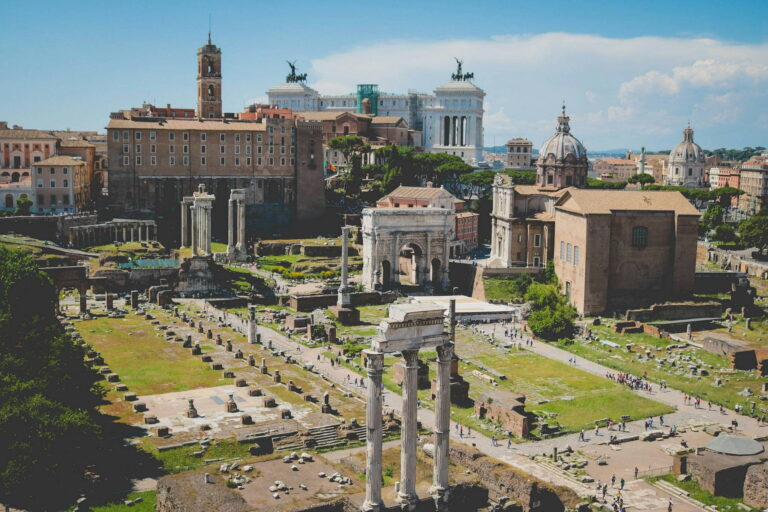
Wandering through the sprawling archaeological site of the Roman Forum feels like stepping directly into the heart of the ancient Roman Republic. You walk along the original Via Sacra, past ruined temples, triumphal arches, and the Curia Senate house where historical political decisions took place. Climbing up to Palatine Hill rewards you with sweeping panoramic views of the Forum on one side and the vast Circus Maximus on the other. What I enjoy most is strolling through the shaded ruins of the Farnese Gardens on the hill, where tranquil paths offer a peaceful break from the bustling city below.
Why it’s worth your time
It was the civic, religious, and political core of ancient Rome, making it an essential historical experience to understand the empire's origins.
Make the most of it
I recommend entering via the quieter access gate on Via di San Gregorio rather than the main gate near the Colosseum to skip longer security queues.
When to go
Late afternoon when the sun lowers over the ancient ruins, creating ideal lighting for photography.
Before you visit
The terrain consists of uneven stone paths and dirt tracks with very little shade, so comfortable walking shoes and sun protection are essential.
Plan your visit
Accessible via Metro Line B (Colosseo stop). Admission is included with your standard Colosseum combined ticket. Allow at least 2 to 2.5 hours to explore both the Forum and Palatine Hill.
Book your visit:
St. Peter's Basilica
The Experience
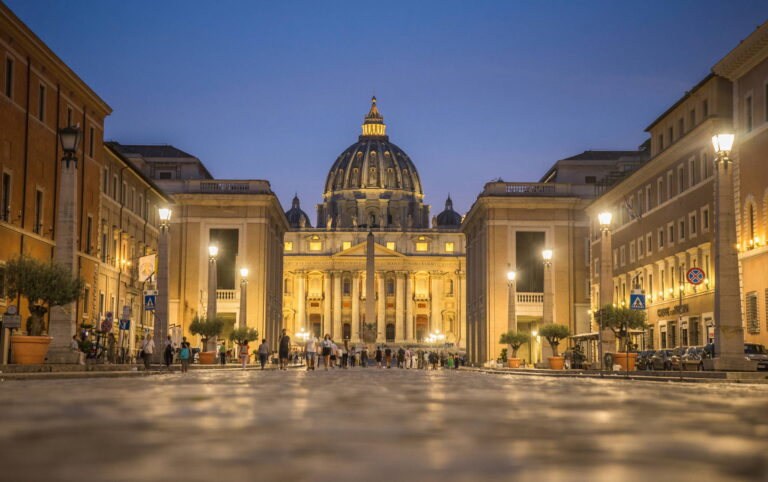
Entering St. Peter’s Basilica is a magnificent sensory experience defined by monumental scale, shimmering golden mosaics, and soaring marble arches. Standing inside, Michelangelo’s pristine marble Pietà immediately captivates your attention near the entrance, while Bernini’s bronze Baldacchino dominates the central altar beneath the colossal dome. What I find most thrilling is climbing the 551 steps up to the top of the dome (Cupola); emerging onto the outdoor balcony reveals a magnificent 360-degree vista of St. Peter’s Square and the skyline of Rome stretching out to the horizon.
Why it’s worth your time
As the center of the Catholic world and a masterwork of Renaissance and Baroque architecture, I view St. Peter's as one of the most imposing interior spaces on Earth.
Make the most of it
I advise taking the elevator option for the first section of the dome climb to save energy for the narrow, winding stairwell at the top.
When to go
Arrive early between 7:00 AM and 7:30 AM when the basilica opens to pass security with minimal wait time.
Before you visit
A strict dress code is enforced: shoulders and knees must be completely covered for both men and women, or security will deny entry.
Plan your visit
Located at Piazza San Pietro. Take Metro Line A to Ottaviano station, then a 10-minute walk. Basilica entry is free; dome access requires a ticket (€8 stairs, €10 elevator). Plan 1.5 to 2 hours.
Book your visit:
Sistine Chapel & Vatican Museums
The Experience
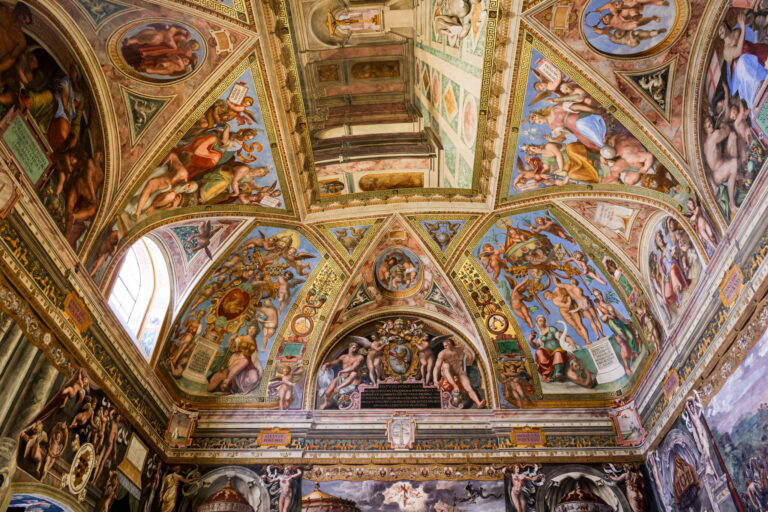
Walking through the 7 kilometers of galleries within the Vatican Museums is a journey through classical antiquities, Renaissance frescoes, and Papal treasures. Highlights include the classical sculptures of the Belvedere Courtyard and the vibrant, illusionistic frescoes in Raphael’s Rooms. The experience culminates inside the sacred space of the Sistine Chapel, where you stand under Michelangelo’s monumental ceiling frescoes depicting The Creation of Adam and gaze up at The Last Judgment. What I love most is taking a moment of silence to absorb the extraordinary color detail restored across the chapel’s stone walls.
Why it’s worth your time
Housing one of the greatest art collections in human history, it is an essential cultural stop for any traveler visiting Rome.
Make the most of it
I strongly recommend booking official timed entry tickets weeks or months in advance to bypass the notoriously long general admission line that wraps around the Vatican walls.
When to go
Early morning official tours or evening opening slots (available seasonally on Fridays and Saturdays) offer a far less crowded atmosphere.
Before you visit
Photography and video recording are strictly prohibited inside the Sistine Chapel, and visitors are expected to maintain respectful silence.
Plan your visit
Entrance on Viale Vaticano. Take Metro Line A to Cipro or Ottaviano. Advance online booking required. Allow 3 to 4 hours for a comprehensive visit.
Book your visit:
More guides for Rome, Latium, Italy :
Pantheon
The Experience
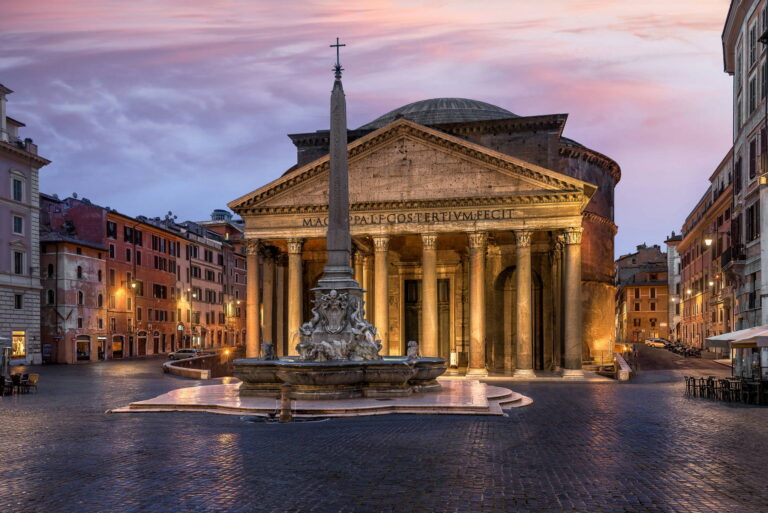
Approaching the Pantheon across Piazza della Rotonda, you are greeted by massive Corinthian granite columns supporting an imposing ancient portico. Stepping inside reveals the world's largest unreinforced concrete dome, perfectly proportioned so that its height equals its diameter. The open oculus at the center lets a dramatic beam of natural sunlight stream down onto the ancient marble floor below. What I enjoy most is visiting during a light rainstorm, watching raindrops fall through the oculus and disappear smoothly into the subtle ancient drainage holes carved into the floor.
Why it’s worth your time
Standing intact for over 1,900 years, I consider the Pantheon to be the best-preserved and most architecturally breathtaking monument of ancient Rome.
Make the most of it
I advise reserving your entry ticket online well before your trip, particularly for weekend visits when advance reservation is mandatory.
When to go
Around midday between 11:30 AM and 1:30 PM, when the sun passes directly overhead and casts a brilliant shaft of light through the oculus.
Before you visit
As an active Catholic church (Basilica of St. Mary and the Martyrs), modest attire covering shoulders and knees is required for entry.
Plan your visit
Located at Piazza della Rotonda. Nearest metro is Barberini (Line A) or a short walk from bus lines stopping at Largo di Torre Argentina. Standard entry ticket is €5. Plan 30 to 45 minutes.
Book your visit:
Trevi Fountain
The Experience
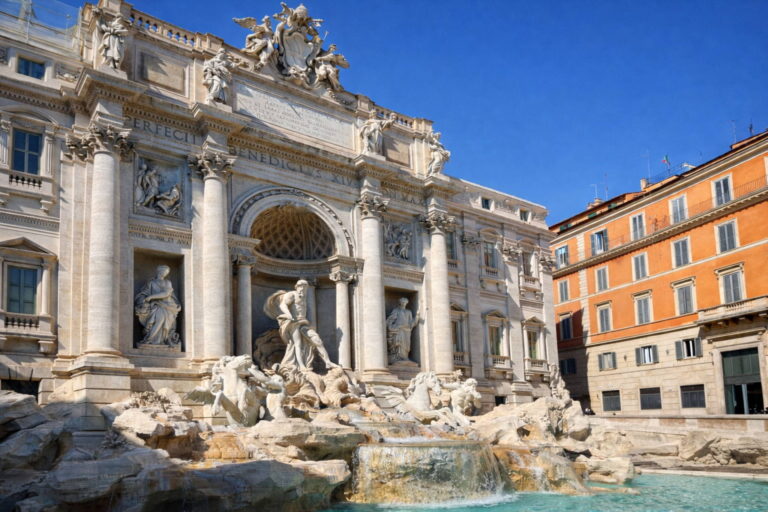
You usually hear the rushing sound of water tumbling over travertine stone before you even step into Piazza di Trevi. Emerging from the narrow side streets, the grand baroque masterpiece suddenly opens up before you, carved into the back of Palazzo Poli with Oceanus dominating the central niche. The sound of water splashing into the aqua-blue basin creates an electric, cheerful atmosphere filled with visitors throwing coins over their shoulders. What I love most is tossing a coin with my right hand over my left shoulder—a timeless tradition that guarantees your return trip to Rome.
Why it’s worth your time
It is the largest and most famous baroque fountain in Rome, serving as an irreplaceable symbol of cinematic romance and Italian artistry.
Make the most of it
I suggest making two separate stops here: once during the day to appreciate the intricate travertine carving, and once late at night when illumination gives the fountain a magical, theatrical look.
When to go
Very early morning before 7:30 AM to enjoy the piazza peacefully without overwhelming daytime crowds.
Before you visit
Sitting on the marble fountain rim, swimming, dipping feet, or eating food on the steps is strictly forbidden and heavily fined by police.
Plan your visit
Located at Piazza di Trevi. Take Metro Line A to Barberini or Spagna station, followed by an 8-minute walk. Outdoor public monument, free entry. Plan 20 to 30 minutes.
Book your visit:
Piazza Navona
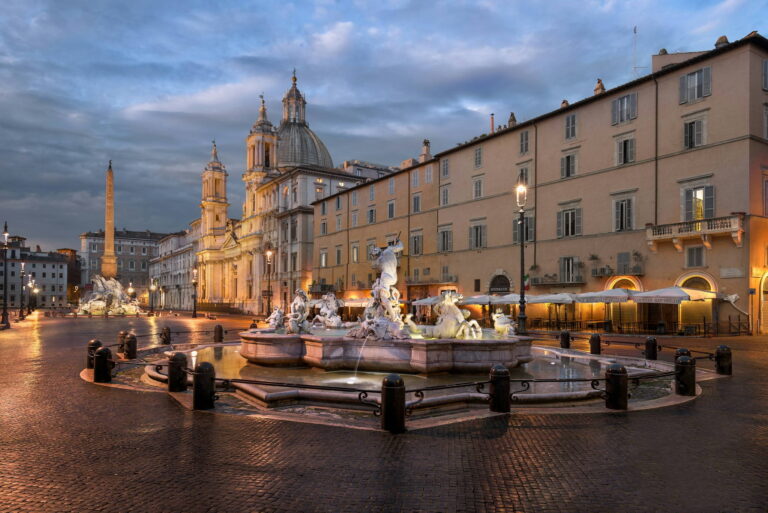
The Experience
Built upon the footprint of Emperor Domitian’s 1st-century stadium, Piazza Navona retains its elongated oval shape, creating one of Rome’s most grand public spaces. The center of the square features Gian Lorenzo Bernini’s spectacular Fountain of the Four Rivers (Fontana dei Quattro Fiumi), topped by a tall Egyptian obelisk and framed by the elegant façade of Sant'Agnese in Agone. What I enjoy most is grabbing an outdoor espresso at a shaded café, watching street painters work, and listening to live musicians echo off the baroque palaces lining the square.
Why it’s worth your time
It offers one of the finest displays of high baroque urban architecture and outdoor sculpture in all of Europe.
Make the most of it
I strongly recommend taking a quick stroll into the church of Sant'Agnese in Agone while exploring the square to admire its brilliant marble interior and dome.
When to go
Late afternoon or early evening when street performers gather and locals take their traditional evening stroll (passeggiata).
Before you visit
Restaurants located directly along the perimeter of the square often charge high tourist prices; walk one block into the side alleys for much better dining quality.
Plan your visit
Located in the historic center. Accessible via multiple bus lines stopping at Corso Vittorio Emanuele or Via Zanardelli. Open public space, free entry. Plan 40 to 60 minutes.
Book your visit:
Spanish Steps & Trinità dei Monti
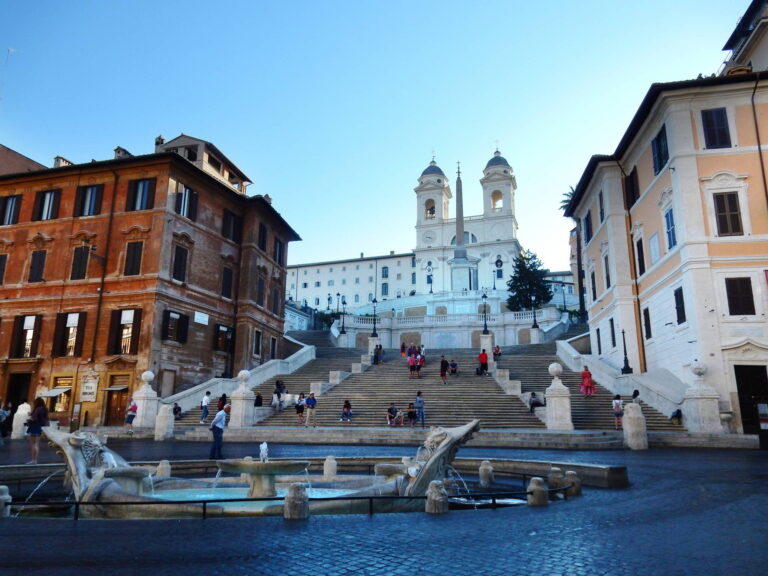
The Experience
The Spanish Steps form a grand, butterfly-shaped staircase of 135 travertine steps connecting Piazza di Spagna at the base to the twin-towered Trinità dei Monti church at the top. At the foot of the steps lies Bernini’s playful boat-shaped fountain, the Fontana della Barcaccia, fed by an ancient aqueduct. Climbing up the staircase leads you to a fantastic elevated terrace offering rooftops views across Rome toward St. Peter’s Basilica. What I love most is sitting near the top of the terrace in early spring when azaleas in rich pink shades decorate the entire length of the steps.
Why it’s worth your time
This iconic monument perfectly illustrates how Rome blends functional urban design with theatrical outdoor art.
Make the most of it
I advise starting at the top of the steps near Trinità dei Monti and walking down toward Via dei Condotti if you want a leisurely downhill stroll past luxury fashion houses.
When to go
At sunset, when the light turns the warm ochre buildings surrounding Piazza di Spagna into soft shades of gold and amber.
Before you visit
City regulations strictly ban sitting, eating, or drinking on the Spanish Steps to protect the historical marble; police actively enforce this rule.
Plan your visit
Located at Piazza di Spagna. Take Metro Line A directly to the Spagna station. Open public landmark, free access. Plan 30 to 45 minutes.
Book your visit:
Borghese Gallery
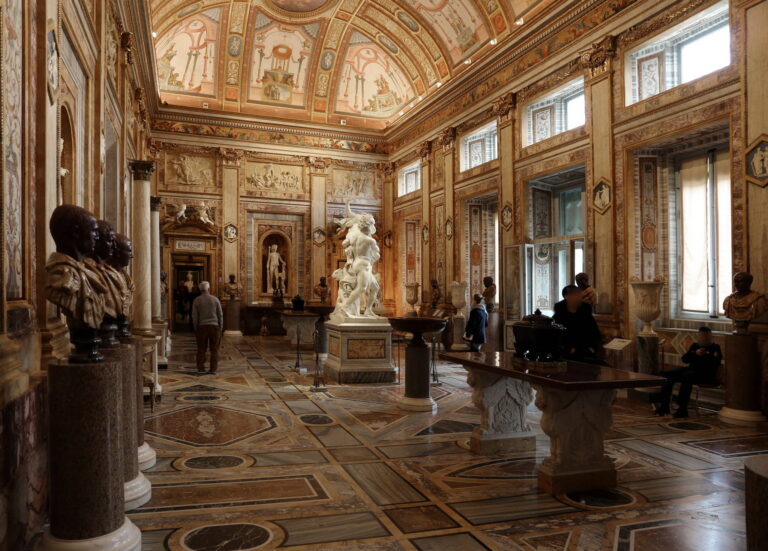
The Experience
Housed inside Cardinal Scipione Borghese’s opulent 17th-century villa, the Borghese Gallery offers an intimate and luxurious art museum experience. Moving through the frescoed halls, you encounter Bernini’s astonishing marble sculptures—such as Apollo and Daphne and The Rape of Proserpina—where hard stone appears transformed into translucent flesh and fluttering drapery. The gallery also showcases extraordinary masterworks by Caravaggio, Titian, and Raphael. What I enjoy most is strolling through the surrounding leafy gardens of Villa Borghese immediately after viewing the collection inside.
Why it’s worth your time
Because entry capacity is capped per time slot, I consider this to be the most relaxed, high-density masterwork viewing experience in Rome.
Make the most of it
I strongly recommend renting a bike or golf cart to explore the vast Villa Borghese park and lake after your gallery entry slot ends.
When to go
Book the first morning entry slot (9:00 AM) or late afternoon entry slot to enjoy the gallery with low visitor counts.
Before you visit
Strict advance reservation is mandatory; tickets regularly sell out weeks in advance, and walk-up tickets at the door are almost never available.
Plan your visit
Located inside Villa Borghese park (Piazzale Scipione Borghese). Take Metro Line A to Flaminio or Spagna, followed by a walk through the park. Ticket price approx. €13–€15 + booking fee. Timed slots strictly limited to 2 hours.
Book your visit:
Piazza di Santa Maria in Trastevere
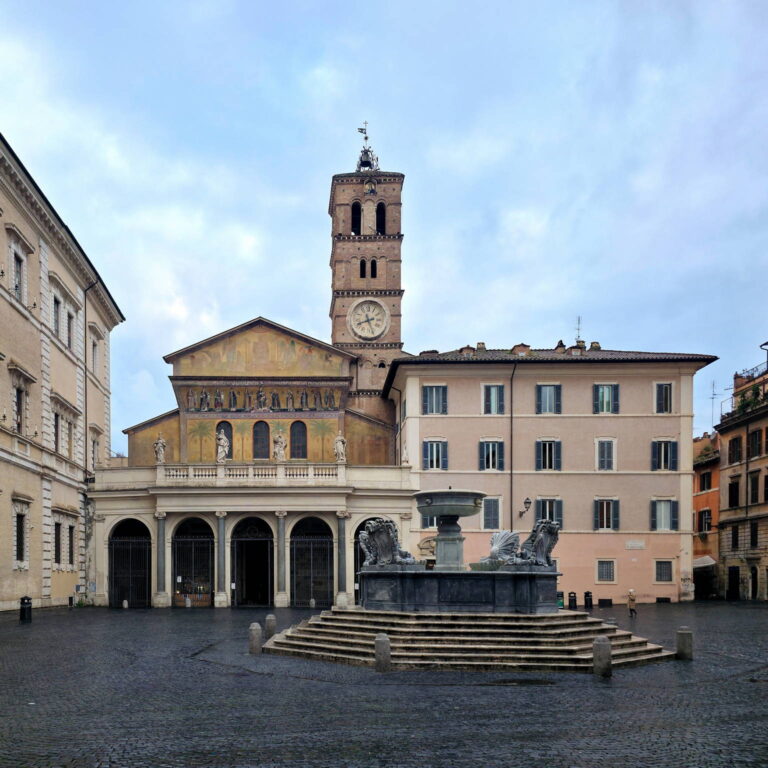
The Experience
Located west of the Tiber River, Trastevere is famous for its labyrinth of narrow cobblestone alleyways, ivy-covered balconies, and traditional trattorias. At the neighborhood’s heart lies Piazza di Santa Maria in Trastevere, dominated by one of Rome’s oldest churches, the Basilica of Santa Maria in Trastevere. Inside the church, 12th-century golden mosaics glow under soft lighting. Outside, the octagonal stone fountain in the center of the square serves as a community gathering spot. What I love most is dining at an authentic nearby trattoria like Da Enzo al 29 on classic Roman pasta before taking an evening stroll through the square.
Why it’s worth your time
It offers the ultimate atmosphere for experiencing local Roman dining culture and vibrant nighttime energy in a romantic setting.
Make the most of it
I advise arriving in late afternoon to explore the quiet residential alleys and artisan boutiques before the dinner hour begins around 8:00 PM.
When to go
In the evening between 7:30 PM and 10:00 PM, when the neighborhood comes alive with locals and travelers enjoying dinner and wine.
Before you visit
Trastevere is best explored entirely on foot, as streets are extremely narrow and mostly restricted to pedestrian traffic.
Plan your visit
Located in Trastevere. Take Tram 8 from Largo di Torre Argentina to the Belli stop, then walk 5 minutes. Free public access to square and basilica. Plan 1.5 to 2 hours (including dinner/walk).
Book your visit:
Find & Compare Flights
Check the best route options and ticket prices to kickstart your trip planning.
Where to stay in Rome, Italy
Rome has accommodation for every travel style—from historic boutique hotels near the Spanish Steps to creative addresses around Trastevere and stylish stays in Monti. Choosing the right neighborhood makes a real difference: stay central for first-time sightseeing around the Colosseum and Pantheon, or slightly outside the immediate tourist core for a more local neighborhood atmosphere. Here are my personal recommendations:
Unique & Instagram-Worthy Stays:
Hotel de Russie: A striking contemporary luxury hotel near Piazza del Popolo, featuring a legendary terraced secret garden designed by Giuseppe Valadier. Its bold interior style, serene green courtyard, and exceptional location make it a memorable choice for a first stay in the city. Check availability
The First Roma Arte: A sophisticated boutique hotel tucked away near the Spanish Steps, functioning almost like a contemporary art gallery with rotating modern artworks, sleek Italian design, and a chic rooftop cocktail bar. Check availability
Chapter Roma: A bold and edgy design hotel located in the heart of the historic Regola district near the Tiber. Expect industrial-chic interiors, vibrant street-art influences, custom furnishings, and a lively bar scene ideal for travellers wanting a modern Roman vibe. Check availability
Classic Rome Stays:
Hotel Artemide: A charming and refined hotel combining classic architectural details with a relaxed, modern wellness-focused atmosphere. Tucked away on Via Nazionale, it is well placed for restaurants, theatres, the Trevi Fountain area, and easy metro connections across the city. Check availability
Palazzo Navona Hotel: A sophisticated and peaceful option steps from Piazza Navona and the Pantheon. It is a great choice for travellers looking for an elegant historic base while remaining within easy reach of Campo de’ Fiori, Vatican City, and central Rome. Check availability
Budget-Friendly Favorites:
The Rome Hello: A modern design-led hostel with private rooms and comfortable dormitories in a convenient location close to Termini Station. The social spaces, courtyard, and vibrant atmosphere make it a great option for travelers who want to meet people without sacrificing style or easy access to the historic centre. Check availability
Generator Rome: A stylish, design-focused hostel near Santa Maria Maggiore, an area known for its local eateries, historic basilicas, and energetic vibe. It is especially practical for travelers on a tighter budget who want a high-end hostel experience while exploring Rome’s main landmarks on foot or via nearby metro lines. Check availability
EDITORIAL NOTES
We visit or research every place on this list ourselves and no business pays to appear here. Some accommodation links are affiliate links: if you book through them we may earn a commission, at no extra cost to you. Prices shown are indicative and change with your dates.